
 Organic products
 Phytopreparations
 Makeup
 For the house
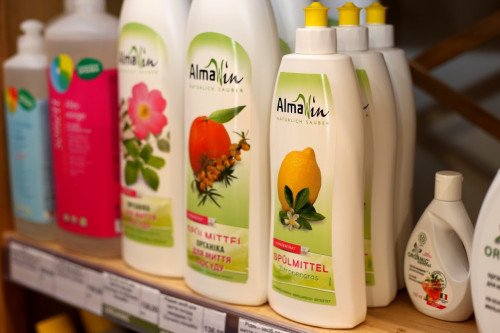
A clean home is a healthy home. By cleaning, we free our home from a number of microorganisms and allergens, which in turn turns the living environment into a place for rest and recovery.
To achieve cleanliness in the house, most people use a whole artillery battery of purchased products. If you walk along the shelves of supermarkets, it may seem that they have a huge selection of different detergents and cleaning products for a variety of purposes, each with a special formula. In fact, home remedies are made up of the same ingredients, and one all-in-one remedy can replace six specialized products.
Bestselling Test Buy author Pat Thomas warns: “Of course, detergents remove dirt and sometimes germs from various surfaces, and also create a pleasant aroma in the house, but, oddly enough, in the end they leave the house dirtier than it was. . This is because the chemicals in the cleaning products we use every day contaminate the air and surfaces in the home with a horrendous mix of carcinogens, hormone disruptors, neurotoxic solvents, mood-altering chemicals, and reproductive-impairing toxins.”
Household cleaning products are one of the biggest sources of indoor air pollution and the most insidious threat to human health.
Why are chemical cleaners harmful?
- Nobody knows how bad they are. The manufacturer is not obliged to provide scientific independent confirmation that its products are safe for people and the environment.
-
Cleaning products contain strong and toxic chemicals. Cleaning products can severely pollute the indoor air,
 irritate the eyes, nose and throat, cause headaches, dizziness and chronic fatigue syndrome. Unfortunately, the manufacturers of these products are not required to list the full composition of the products, and they do not do this voluntarily, since they consider this information as a "trade secret". This means that you will never be able to find out if your dishwashing detergent or laundry detergent contains chemicals that can harm you and your family, and if so, in what concentrations. However, independent studies have shown that most household cleaners contain hazardous ingredients that are not removed even after 10 rinses.
 - Cleaning products are harmful to the environment. For example, phosphates contained in washing powders contribute to the uncontrolled reproduction of blue-green algae, which entails a change in the color of water bodies, a fetid odor and mass death of fish. Many detergent chemicals pass unhindered through city filters and into open water bodies, as well as back to us through the city water supply.
| PRODUCT | HARMFUL INGREDIENTS | HEALTH RISKS |
| Air fresheners | Flavors (Parfum/Fragrance) | Asthma, nausea, mood swings, depression, skin irritation, lethargy, irritability, forgetfulness |
| Universal cleaners | Propylene Glycol | Irritant and immunotoxin. Also found in dishwashing detergents. |
| Sodium triphosphate | Irritant to skin, eyes, lungs. Also found in laundry detergents. | |
| Dishwashing liquids | Sodium lauryl/laureth sulphate | A carcinogen, a toxin, causes gene mutation. |
| Bathroom and toilet cleaners | Chlor | Irritant to eyes, skin, lungs. Many cases of poisoning in children. Also found in disinfectants and dishwashing detergents. |
| Paradichlorobenzene | Irritant to eyes, nose, skin. Also found in anti-mold products and room deodorants. | |
| Phenol | Very dangerous. Potential carcinogen. Fatal if swallowed. Also found in disinfectants | |
| Fat removers | Butyl-ethoxyethanol | Detrimental effect on the liver, kidneys, central nervous system. Also found in all-purpose cleaners and window cleaners. |
| Furniture polish | Formaldehyde | High toxicity. Recognized carcinogen. Also found in all-purpose cleaners, dishwashing detergents, disinfectants, deodorant sprays. |
| Window cleaners | Ammonia |
Fatal if swallowed. Also found in floor cleaners, furniture cleaners, metal polishing.
|
How to choose non-toxic detergents?
For starters, ditch traditional detergents in favor of eco-friendly or organic ones. Carefully read the composition of cleaning products and look at the labeling. Safe detergents can be of two types: eco-friendly (biodegradable) and organic. The latter is an ideal option, since in this case it is guaranteed:
- use of natural ingredients
– hypoallergenic
- free from phosphates, petrochemical surfactants, sodium perborate bleaches, chlorine, synthetic fragrances and dyes, and unnecessary bulking agents
Organic detergents are based on detergent ingredients of vegetable origin. Essential oils, citrus extracts, minerals, soda, vinegar, vegetable enzymes are added. Plant-based products are often as effective as synthetic ingredients. Proof of this is the transition of many kindergartens, schools and even hospitals in Europe, in particular in Austria, to organic means.
In addition, the “organic” category products are more concentrated, and therefore you can safely dilute twice and not even feel the difference (at the same time, it’s good to add a little table salt to thicken). To check the organic status of a product, look at the packaging - look for a confirmation eco-label, such as the ECO-GARANTIE logo.
How to prepare effective cleaning products yourself?
The simplest things in your kitchen can work just as well as store-bought ones. Try it and you will save a lot of money by using the cleaning power of scrap materials.
Hot water. Steam and hot water are among the best and most effective cleaning agents. In addition, hands and brushes do the main work, not chemicals at all.
Soda. A versatile product that is safe to drink (used for heartburn) and brush your teeth (included in tooth powders and pastes). When cleaning the house, soda is used in dry form, or diluted with water and a drop of dishwashing detergent. Soda disinfects (it can kill some types of bacteria and fungi), and also serves as a mild abrasive that can remove dried-on dirt without scratching the surface. With baking soda, you can fight stains, clean and polish aluminum, chrome, silver, steel, tin and plastic surfaces, and even jewelry. Soda removes grease and plaque and brings dishes to a shine (soda is good for cleaning cups from tea and coffee deposits). It can be used as a descaler. In addition, baking soda softens water, which allows other products (including washing powders) to clean and rinse more effectively.
Lemon juice or citric acid. It is good to use for removing plaque and rust stains from dishes, as well as polishing silverware.
Vinegar is a dilute solution of acetic acid that can dissolve grease and disinfect, killing many types of bacteria and mold. Vinegar is useful for cleaning glasses and removing stains from coffee and tea. Also, it is a good air freshener. Vinegar can be used to make glass cleaner, which cleans perfectly and does not leave streaks. To do this, dilute two teaspoons of vinegar in 1 liter of water.
Soap is an effective cleaner that degrades quickly in natural conditions with minimal impact on the environment. Soap can be used as dishwashing detergent, added when washing floors, taken on the road for washing and cleaning. Choose 100% natural vegetable oil soaps. Conventional soap, sold in most stores, is pure synthetic petrochemicals with the addition of dyes and fragrances.
Microfiber cloth. These wipes are so good that once you start using them, you will wonder why even throw money on something else? Water is the most powerful solvent in the world. The task of detergents is precisely to ensure that as much water as possible comes into contact with the surface you are cleaning. Microfiber does the same. These fibers are thinner than a human hair. And compared to other fabrics, they are excellent absorbents. Both of these properties taken together mean that the microfibre cloth has a much larger surface area and brings a lot of water into contact with the surface to be cleaned. When used as recommended, it leaves most wiped surfaces clean and dry.
The best wipes are thicker and tend to be more expensive. However, they can be used for a very long time (from six months to 5 years), and the denser the fabric, the larger its surface and the more fibers will trap dirt. Microfiber cloths are great for cleaning windows and mirrors.
Air Freshener Recipes
Spray. Pour water and vinegar into a spray bottle in a ratio of 1: 1, add 20 drops of your favorite essential oil (mint, orange, pine are good). Shake well before use. Since vinegar and essential oils can irritate the skin, do not expose your face to splashes.
Solid remedy. Mix 200 g of baking soda and 10-15 drops of essential oil and place in a box or on a saucer. Such a tool absorbs unpleasant odors well, including from tobacco smoke.
Also, to aromatize the room, it is good to use natural incense and essential oils seasoned in aroma lamps.
And finally...
Don't forget to ventilate the rooms more often and, if possible, keep indoor plants, which perfectly clean the air of unpleasant odors, gases and toxins. Remember that when using safe cleaning products, your home will be truly clean without toxic waste washing away dirt or masking other odors. Under the sink you will not have anything dangerous, which is especially true if you have children and pets. By using biodegradable detergents, you free your home from harmful chemicals and contribute to the preservation of the environment.
All detergents presented in Natur Boutique stores are eco-friendly and organic products that are safe for you and the environment.
author Anastasia Le Khack
Актуальні товари